Holding Tank vs Septic System – What’s Best for Northern Ontario Properties?
Not every property in Northwestern Ontario can support a traditional septic system with a full septic bed. Small lots, high water tables, bedrock close to the surface and environmental setbacks can all make a holding tank (sometimes called a sewage tank or sewer tank) a better choice.
If you’re researching “sewage tank installation” or comparing a septic tank system with a pumped holding tank, this guide explains the key differences so you can make the right call for your property.
What Is a Septic System?
A conventional septic system has two main components:
- Septic tank – where solids settle and begin to break down.
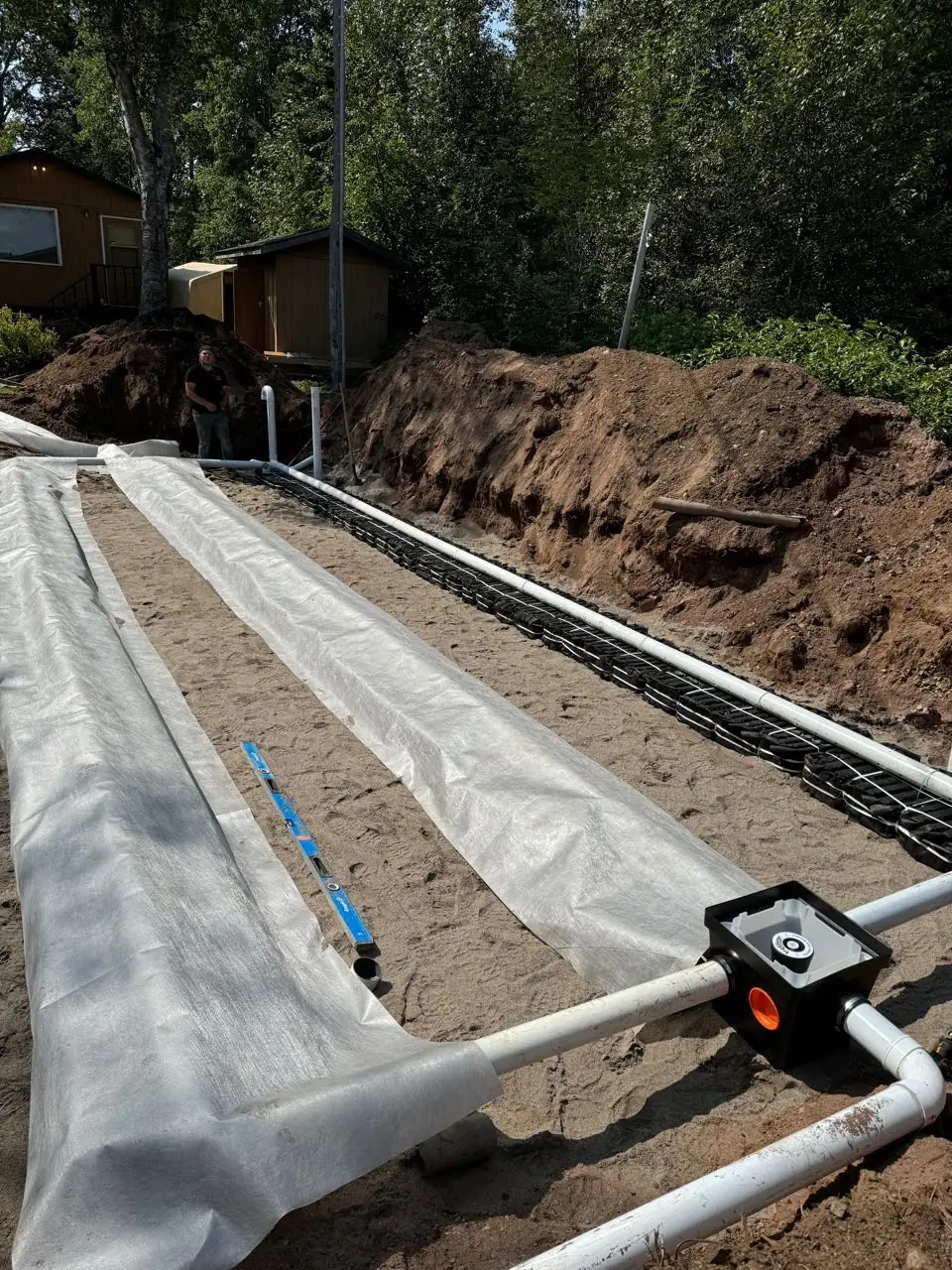
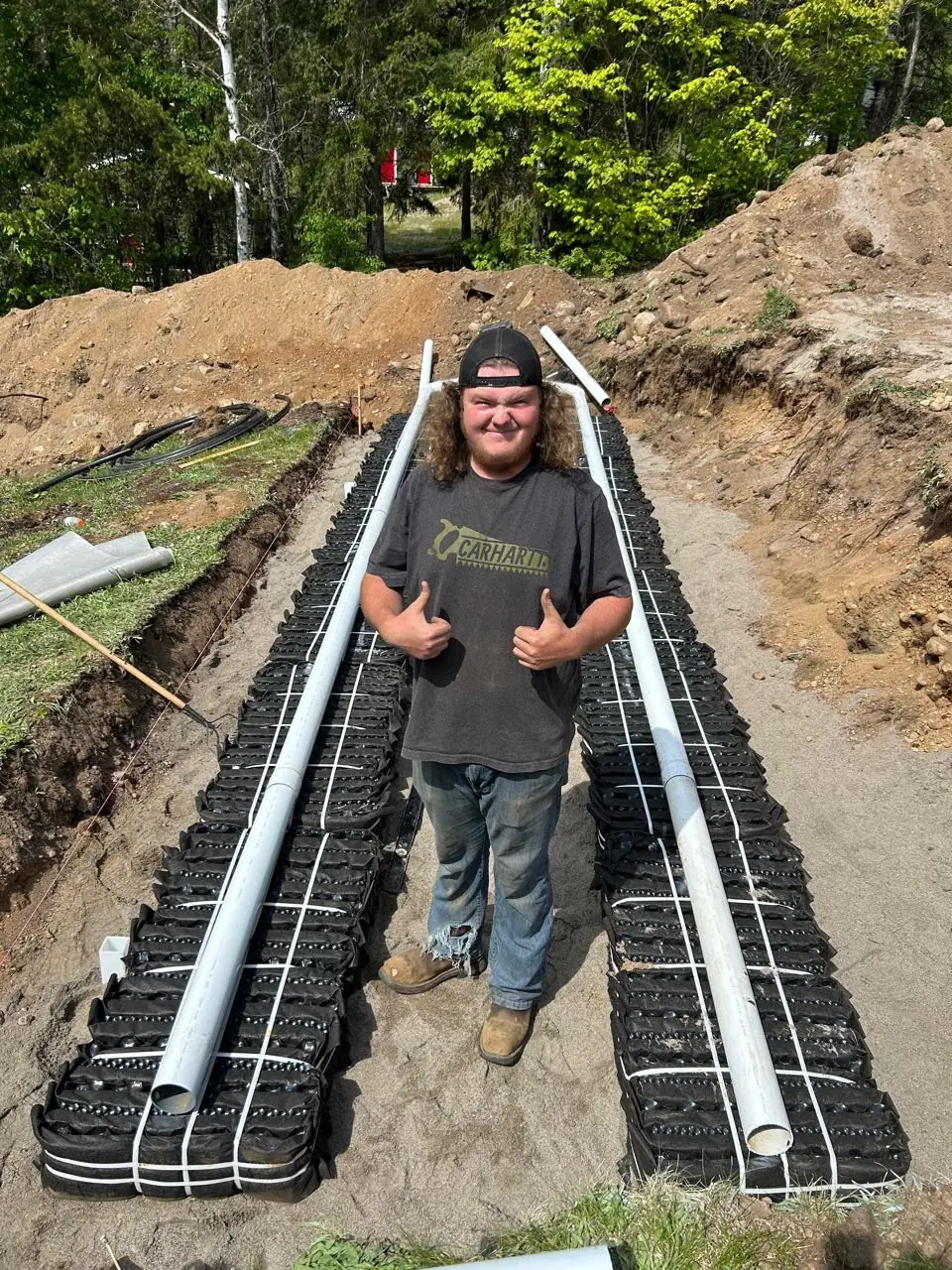
- Septic bed / septic field – where pre‑treated wastewater is distributed and filtered through soil.
When designed and installed correctly, a septic tank system can last 20–40 years and requires periodic septic tank pumping but no regular hauling of all wastewater.
What Is a Holding Tank / Sewage Tank?
A holding tank is different. It is a sealed wastewater storage tank with no leaching or treatment field. All wastewater from the home flows into the tank and stays there until a pumper truck removes it.
- Also called a sewage tank, sewer tank or pump‑out tank.
- Must be pumped frequently – sometimes every few weeks for full‑time homes.
- Requires alarms and monitoring so it never overflows.
A holding tank is not a “cheap septic system” – it’s a different solution for specific site constraints, and long‑term pumping costs must be planned carefully.
When a Septic System Is Usually Best
A full septic system is normally preferred when:
- Your lot size and setbacks allow for a code‑compliant septic bed.
- Soil tests show suitable percolation (or advanced systems like Eljen can be used).
- You plan to live in the home full‑time for many years.
- You want lower lifetime operating costs.
Up‑front installation costs are higher than a simple holding tank, but ongoing maintenance is mainly septic tank pumping every 2–3 years instead of constant pump‑outs of all sewage.
When a Holding Tank Makes Sense
A holding tank can be the right choice when:
- The property is too small or constrained for a proper septic bed installation.
- Bedrock, high groundwater or steep slopes make percolation impossible.
- The building is seasonal or low‑use (cottage, hunt camp, shop).
- Future municipal sewer connection is planned and a full system isn’t worth the investment.
For low‑usage properties, a properly sized sewage tank installation with reliable pump‑out service can be a practical long‑term solution.
Cost Considerations – Installation vs Operation
| System Type | Up‑Front Cost | Ongoing Costs |
|---|---|---|
| Septic tank + septic bed | Higher (full system installation) | Tank pumping every 2–3 years |
| Holding tank / sewage tank | Lower (no field construction) | Frequent pump‑outs – sometimes monthly |
Over 10–20 years, a full septic system is usually cheaper to operate for full‑time homes, while a holding tank can be economical for seasonal or very low‑usage situations.
Regulations & Design Considerations
In Ontario, both options must be designed and installed to meet the Ontario Building Code and local health regulations. Improperly sized or installed sewage tanks can lead to environmental contamination and serious penalties.
- Required tank volumes are based on fixture count and occupancy.
- Alarms and monitoring are mandatory for holding tanks.
- Safe truck access for year‑round pumping must be considered at design time.
How Groundhogs Septic Systems Helps You Choose
Groundhogs Septic Systems designs and installs both septic tank systems and sewage tank installations across Northwestern Ontario. Our process includes:
- Site evaluation and soil testing
- Review of usage patterns (full‑time vs seasonal)
- Evaluation of access for pumper trucks
- Clear cost projections for both installation and long‑term servicing
Our goal is simple: match the right system type to your property so you never have to worry about surprise failures or unrealistic pumping schedules.
Which Is Right for You?
As a quick rule of thumb:
- Full septic system – best for year‑round homes with enough space and acceptable soil.
- Holding tank / sewage tank – good for small or constrained lots, cottages and low‑usage buildings where regular pump‑outs are manageable.
The right answer depends on your site, long‑term plans and budget. That’s why we model both options before recommending a design.
Need Help Choosing Between a Holding Tank and Septic System?
Groundhogs Septic Systems can compare both options for your property in Thunder Bay or anywhere in Northwestern Ontario.