Septic Maintenance Checklist for Thunder Bay & Northwestern Ontario
A properly designed septic system can last 20–40 years — but only if it’s cared for. Regular septic maintenance protects your investment and prevents emergencies that lead to messy and expensive repairs.
If you’ve ever searched for “septic service near me” or “septic system cleaning”, this simple maintenance checklist is for you. It’s tailored to Thunder Bay and Northwestern Ontario conditions — clay soils, snow load, high water tables and cold winters.
Use this as a yearly guide to keep your septic tank, septic bed and plumbing in top shape.
1. Daily & Weekly Habits
Good daily habits are the foundation of every healthy septic system.
- Spread out laundry loads. Avoid doing 4–5 loads in one day.
- Fix dripping faucets & running toilets quickly — they overload the system.
- Avoid flushing wipes, feminine products, paper towels or grease.
- Use septic‑safe cleaners and avoid dumping paint or solvents.
- Limit garbage disposal use – more solids = more frequent septic tank pumping.
2. Monthly Visual Checks
Once a month (or at least quarterly), walk your property and look for:
- Wet or spongy areas above the septic bed
- Unusual sewage odours outside
- Exposed pipes, lids or inspection ports after frost movement
- New cracks or settlement around the tank area
Call a professional if you notice pooling water, persistent odours or frequent gurgling from drains — they may indicate a failing septic bed.
3. Seasonal Septic Maintenance Tasks
Spring (Snowmelt Season)
- Check around the tank and bed for soft, saturated ground.
- Move downspouts and sump pump discharges away from the septic area.
- Watch for slow drains – heavy spring water can stress older systems.
Summer
- Keep vehicles, heavy equipment and campers off the septic bed.
- Trim deep‑rooted trees or shrubs that are too close to the field.
- Review water usage if you have lots of guests or renters.
Fall
- Schedule septic tank pumping if you’re due in the next 12 months.
- Insulate shallow pipes or problem areas before freeze‑up.
- Rake leaves and debris away from the bed to prevent matting.
Winter
- Mark septic tank lids and inspection pipes so they’re easy to find in deep snow.
- Avoid heavy snow storage directly on top of the bed.
- If you have freezing concerns, keep a small “maintenance path” clear over key lines.
4. Pumping & Inspection Schedule
For most homes on a standard 1,000–1,500 gallon septic tank:
- Pump every 2–3 years (or more often for large families).
- Inspect the tank and filter at each pump‑out.
- Never ignore repeated backups after pumping – that often means the septic bed is failing.
Searches like “septic system cleaning”, “sewage tank cleaning” or “septic pumping near me” are all part of this regular maintenance schedule.
5. Protecting Your Septic Bed
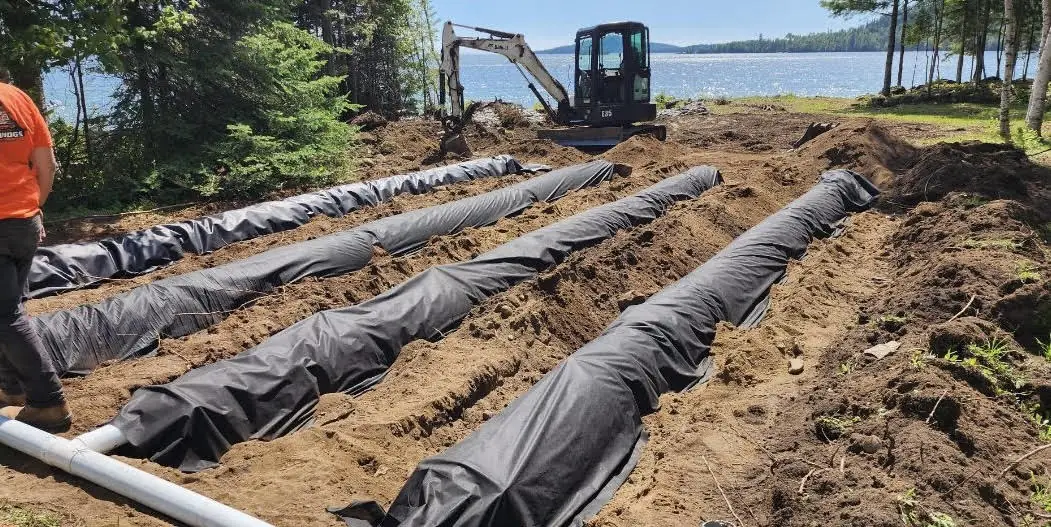
Your septic bed (tile bed, leach field or septic pit) is the most expensive part of the system to replace. Protect it with these simple rules:
- No driving, parking or building on top of the bed.
- Plant only grass or shallow‑rooted plants above the field.
- Keep roof water, sump discharge and surface runoff away from the area.
- Do not attempt “homemade” aeration or jetting – it often makes things worse.
6. When to Call for Professional Septic Service
Contact a licensed septic installer or pumping contractor right away if you notice:
- Sewage backing up into tubs, showers or floor drains
- Strong odours in the home or around the tank
- Sudden, persistent wet spots around the bed
- Gurgling in multiple fixtures when you use water
These are signs that pumping, repairs or even full replacement may be needed. The sooner they’re assessed, the more options you usually have.
7. Keep Good Records
Create a simple file or digital note that includes:
- Date and company for each septic tank pumping
- Any inspection notes or concerns
- Copies of designs, permits and as‑built drawings
- Photos or sketches showing tank and bed locations
This record is extremely helpful for real estate transactions, future repairs and long‑term planning.
Work with a Septic Company That Designs for Longevity
Groundhogs Septic Systems focuses on septic system installation, septic bed installation and full replacements across Northwestern Ontario. Our systems are engineered for Thunder Bay soils and built to be easy to maintain over decades.
- Engineered designs and soil testing
- Traditional and advanced systems (including Eljen)
- 100% permit success rate
- Systemized 2–3 day installation process
- Clear guidance on pumping and maintenance schedules
Need Help with Septic Maintenance or Planning a New System?
Use our online tools and expert team to plan your next step.